
Ontario Divorce Gotchas
Learn what actually matters before you file.
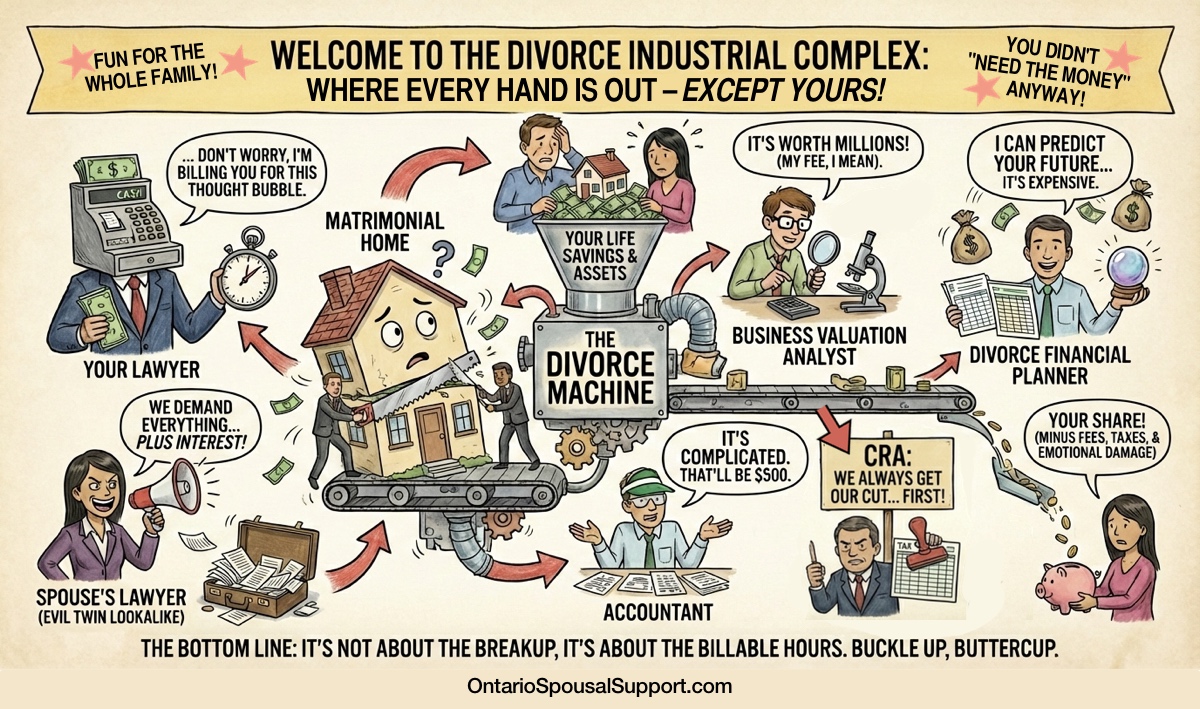
Ontario family law is full of surprises that catch even smart, prepared people off guard. These aren't obscure technicalities—they're fundamental rules that determine who pays what, who keeps what, and for how long.
A "gotcha" in divorce is any rule, deadline, or assumption that feels counterintuitive but has massive financial consequences. Like finding out your premarital house is suddenly split 50/50 because it became the matrimonial home. Or learning that the date you moved into separate bedrooms—not when you filed papers—determines property division. Or discovering that retirement at 63 triggers indefinite spousal support under the Rule of 65.
This page collects the most common gotchas in Ontario divorce and spousal support. These are the issues that:
- Cost people thousands (sometimes hundreds of thousands) in lost equity or inflated support
- Change the entire negotiation when discovered mid-process
- Make people say "I wish I'd known this before I filed"
- Separate those who prepared from those who didn't
Each article explains one gotcha in plain English: what it is, why it matters, how courts actually apply it, and what you should do about it. No legal jargon. No theory. Just the practical reality of Ontario family law.
Start with the gotchas that apply to your situation. Then run the numbers using our free spousal support calculator to see what these rules actually mean for your case.
Financial Gotchas
These are the money traps: rules about income, property, support duration, and tax treatment that catch people by surprise.
The Rule of 65 Explained: When Spousal Support Becomes Indefinite in Ontario
Property Division vs Spousal Support: Two Different Calculations That Confuse Everyone

Self-Employed Income & Spousal Support in Ontario: What Courts Actually Look At

Business Owner Divorce Ontario: Private Corp Income & How Courts Calculate Support
Imputed Income Explained: When Courts Assign Earning Potential in Ontario Divorce
CRA Tax Rules for Spousal Support: When You Can (and Can't) Claim the Deduction
Lump Sum vs Monthly Spousal Support: Which Is Better For You?

Grey Divorce Ontario: Spousal Support, Pension Double-Dipping & CPP Splitting
What Is Net Family Property in Ontario? (And What Gets Excluded)
RRSP and TFSA Division in Ontario Divorce: What You Need to Know
Pension Division in Ontario Divorce: Property, Income, and the Double-Dipping Problem
How Much Does Divorce Cost in Ontario? The Honest Breakdown
Retroactive Spousal Support: Lump Sum, T1198 Form & CRA Rules Ontario
Interim Spousal Support in Ontario: What It Is, When You Can Get It
Legal & Timing Gotchas
Critical dates, property rules, and relationship status issues that determine your rights and obligations.
The Date of Separation in Ontario: Why This One Date Determines Everything
The Matrimonial Home Gotcha: Why Your Premarital House Doesn't Stay Yours
Common Law Spousal Support in Ontario: What Unmarried Partners Need to Know
Shared Custody and Support Payments: What 50/50 Actually Means in Ontario
Separation Agreement in Ontario: What It Covers, What It Costs, and Whether You Need a Lawyer

Cohabitation Agreement in Ontario: What Common-Law Couples Need Before They Separate
Inheritance Rights for Separated Spouses in Ontario: What Changed in 2025
Understanding the System
How the Spousal Support Advisory Guidelines work, what the ranges mean, and how support gets modified or enforced.
MySupportCalculator vs. Divorcepath vs. OntarioSpousalSupport: Which Calculator Should You Use?
Ontario Spousal Support Calculator: How SSAG Actually Works
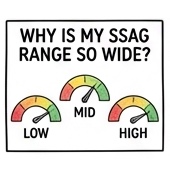
Why Is My SSAG Range So Wide? What Low, Mid, and High Actually Mean
How Long Does Spousal Support Last in Ontario? Duration Rules Explained
Modifying Spousal Support in Ontario: When and How to Change Your Order
Spousal Support Enforcement in Ontario: What To Do When They Don't Pay
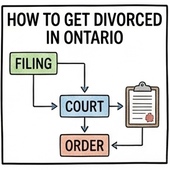
How to Get Divorced in Ontario: The Complete Process Explained
Do You Qualify for Spousal Support in Ontario? The Eligibility Checklist
Strategic Planning
Preparation checklists, strategic moves, and choosing the right path through the divorce process.

Where to File for Divorce in Ontario: The 8 Court Regions Explained
CanLII: The Free Database of Every Ontario Divorce Ruling (And How to Use It)
The Financial Records Gotcha: When Your Bank Statements Disappear

How to Prepare for Divorce in Ontario: The Checklist Nobody Gives You
Strategic Moves Before Filing for Divorce in Ontario: Timing the Date of Separation

Divorce Mediation vs Litigation in Ontario: Which Path Is Right for You?
Frequently Asked Questions
What is a "gotcha" in Ontario divorce law?
A gotcha is a rule, deadline, or legal principle that feels counterintuitive but has significant financial consequences. These are the things that make people say "I wish I'd known that before I filed." Common examples include the matrimonial home rule (your premarital house gets split 50/50), the separation date determining property division, and the Rule of 65 triggering indefinite support.
Which gotchas have the biggest financial impact?
The matrimonial home rule and separation date typically have the largest property implications (often hundreds of thousands of dollars). For ongoing support, the Rule of 65, imputed income, and understanding SSAG duration rules can mean the difference between 5 years of support and indefinite support. Tax treatment of support payments also creates significant financial differences depending on when your separation agreement was signed.
When should I read these gotcha articles?
Before you file for divorce, before you sign a separation agreement, and definitely before you make major financial decisions like selling the house or retiring early. The best time is when you're first considering separation—knowing these rules helps you plan strategically rather than react to surprises later. If you've already filed, these articles help you understand what's negotiable and what's governed by fixed rules.
Do I need a lawyer if I understand these gotchas?
Understanding these issues helps you ask better questions and spot red flags, but it doesn't replace legal advice. These articles explain how the law works in general—a lawyer applies it to your specific situation and ensures your agreement or court order properly protects your interests. Think of these gotchas as the foundational knowledge that makes you a more informed client, not a substitute for representation.
How accurate are the spousal support calculators compared to what courts actually order?
Our calculators use the same Spousal Support Advisory Guidelines (SSAG) that Ontario courts rely on. Courts typically order amounts within the SSAG range about 95% of the time. However, the SSAG provides a range (low, mid, high), and where you land within that range depends on factors the calculator can't know—like health issues, career sacrifices, or special circumstances. The calculators give you the framework; negotiation or court determines the exact amount.
What's the most common mistake people make in Ontario divorce?
Not establishing the separation date clearly and in writing. This single date determines property division, support calculations, and various deadlines. Many people separate informally (different bedrooms, different lives) without documenting it, then disagree later about when separation actually occurred. Each month of difference can shift property values and support calculations by thousands of dollars. Always document your separation date in writing.
Run the Numbers on Your Case
Understanding the gotchas is step one. Step two is seeing how they apply to your specific income, assets, and marriage length.
Calculate Your Spousal Support →